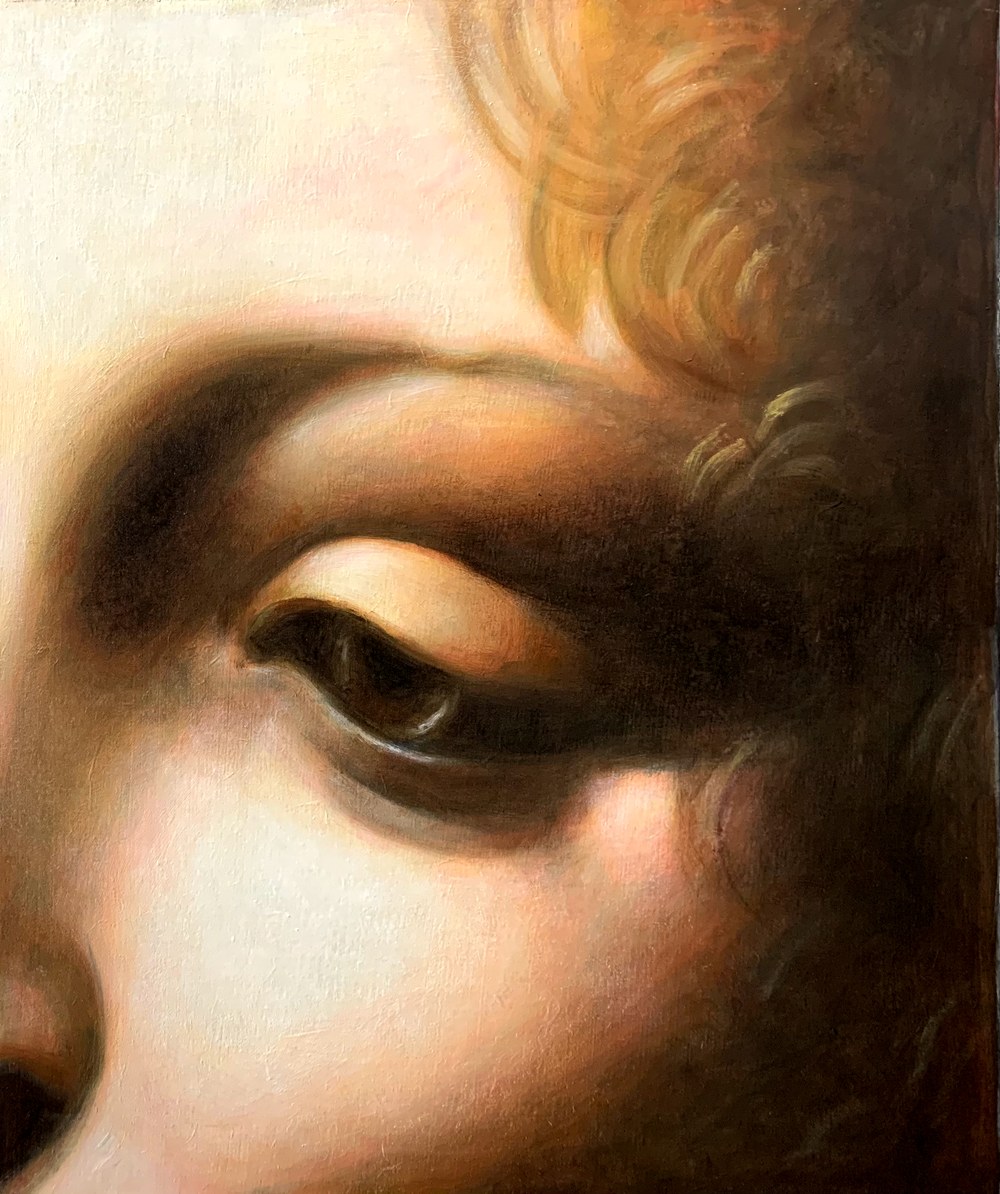
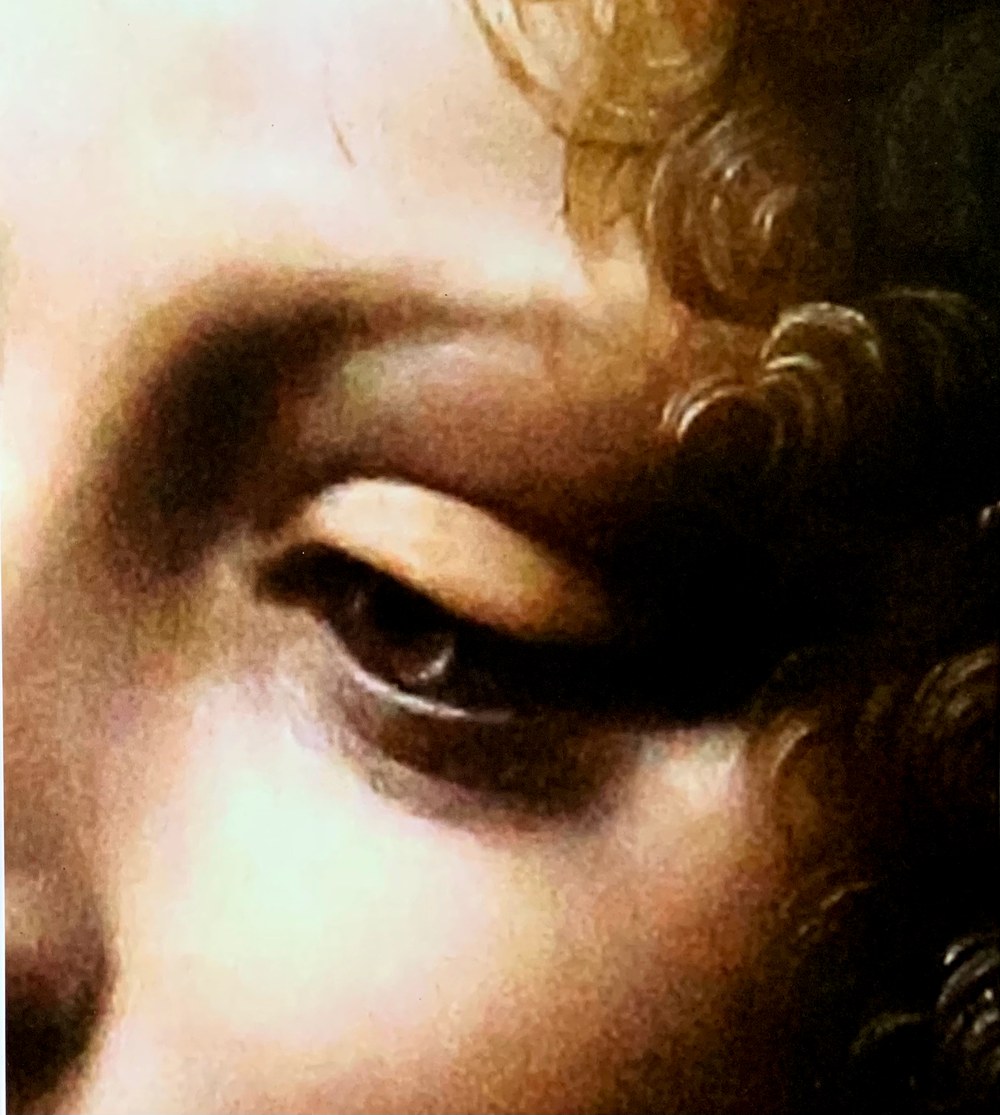
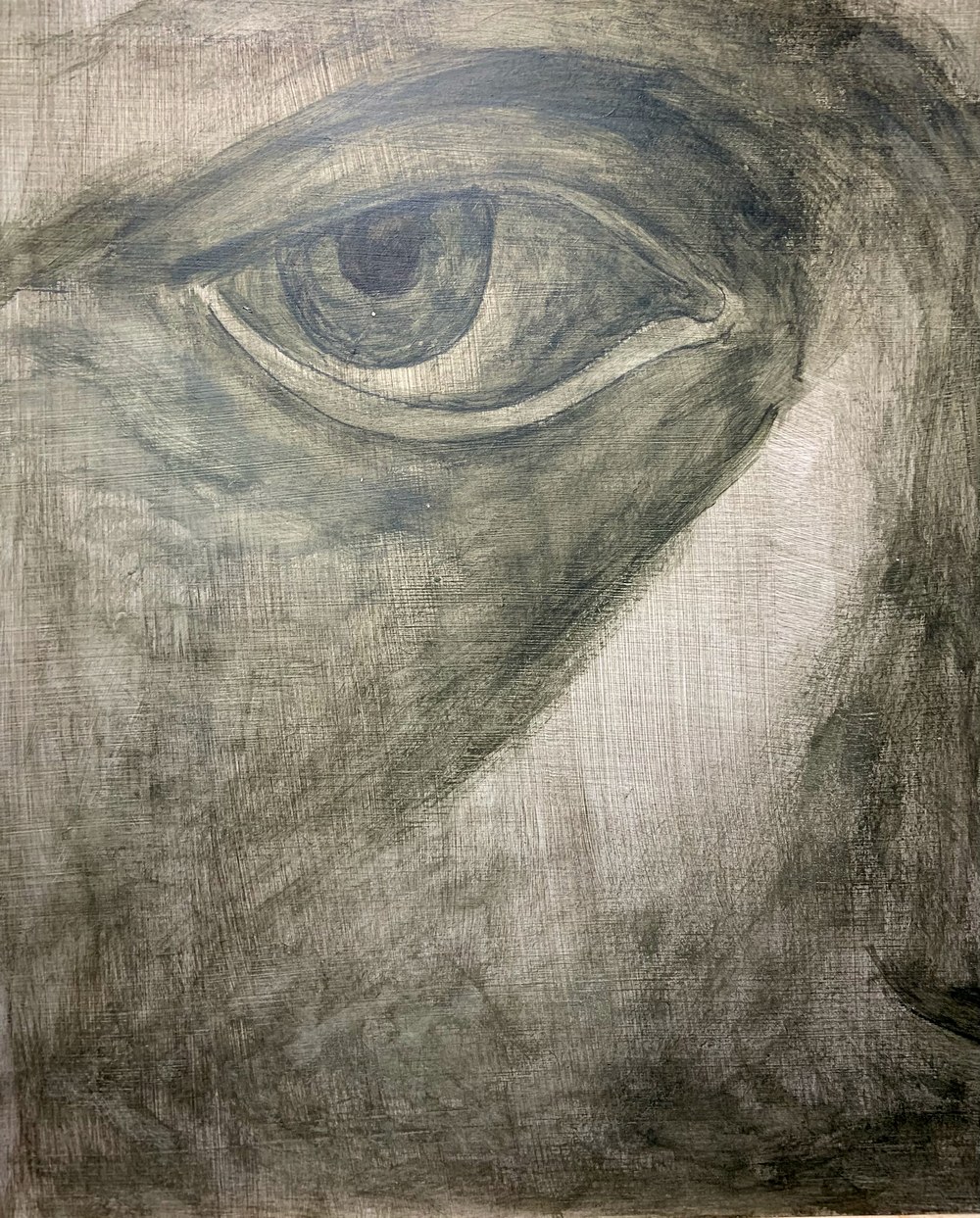
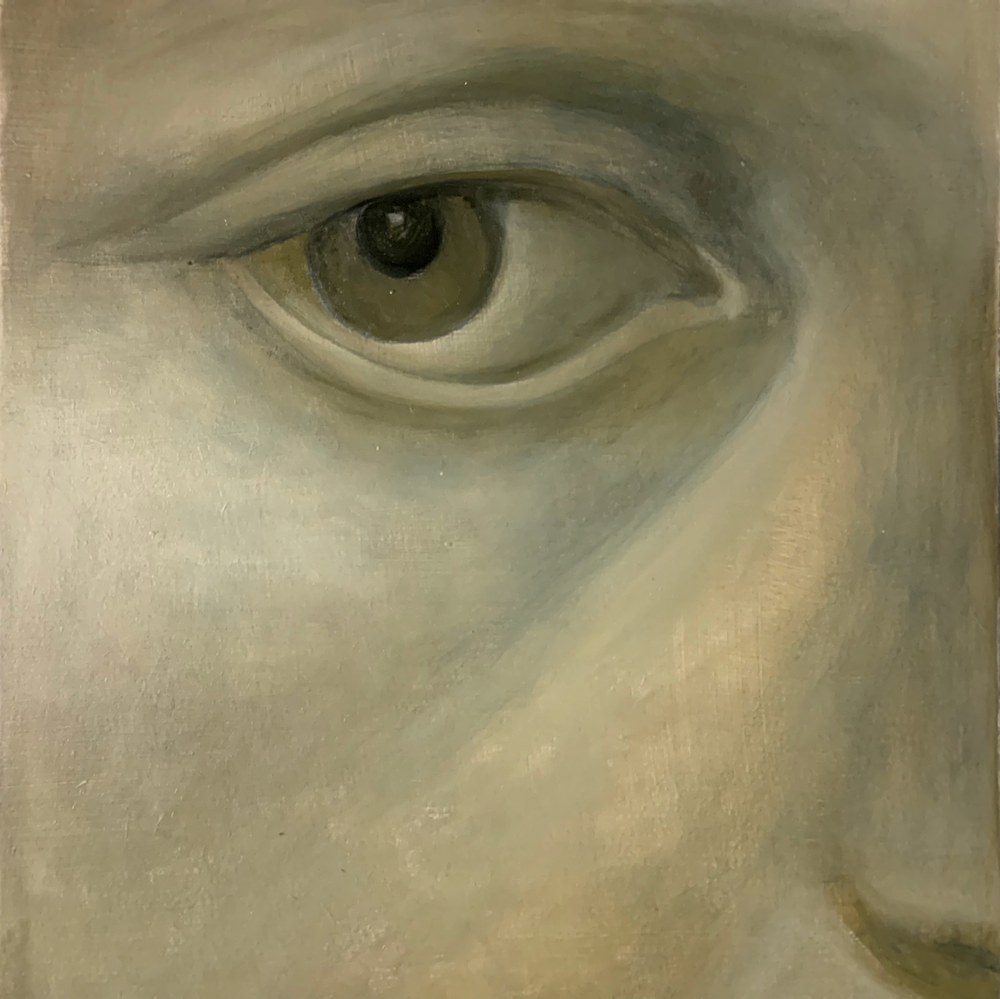
Every work shown here was produced by students of the Advanced Apprenticeship Program under the direct guidance of Irena Korosec. From first underpainting to final glaze — the full classical process, step by step.
Rubens technique
Flemish skin in oil
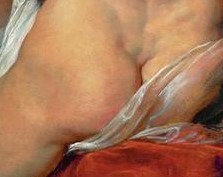
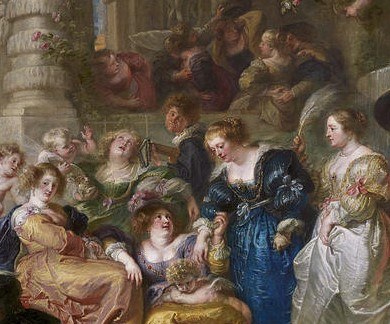
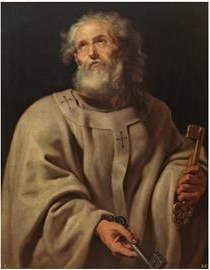
Students study Rubens' warm, luminous approach to flesh — building up transparent layers over a warm imprimatura, working wet-into-wet to achieve the characteristic glow of Flemish baroque painting.
Rubens — Venus at a Mirror (detail), original
Rubens technique, copy (warm layer)
Rubens — The Garden of Love (detail), original
Rubens technique, copy (warm layer)
Rubens — Saint Peter, original
Rubens — underpainting, first layer
Student copy
Rubens — final version
Student copy
Rubens — Venus Frigida (detail), original
Venus frigida, copy (warm layer)
Bouguereau technique
Academic realism of the 19th century
Bouguereau's hyper-refined academic technique demands extraordinary precision in blending and an intimate understanding of how light moves across human skin.
Bouguereau, portrait of a child, grisaille (student copy)
Bouguereau, portrait of a child (student copy)
Bouguereau, study of a woman's head (original)
Bouguereau, study of a woman's head (study drawing)
Bouguereau, study of a woman's head (original)
Bouguereau, study of a woman's head (copy)
Bouguereau — copy process, original & student work
Master copies — student work
Entering into dialogue with the Old Masters
Copying the great masters is one of the oldest and most demanding exercises in classical training. These works were painted from life and from the originals — studying light, form, and technique through direct practice.
Madonna with Child — after Caravaggio
Student copy
Portrait from life — painting & reference
Student work
Studies of Bouguereau's portraits
Student work
Step by step — Rembrandt technique
From underpainting to finished canvas
A full copy of a Rembrandt self-portrait followed through three phases — establishing the value structure, introducing colour, and building up the final richness of tone.
1
Underpainting
Student copy
2
Introducing colour
Student copy
3
Colour buildup
Student copy
Rembrandt — Eye detail · original & copy
Student work
Da Vinci technique — Mona Lisa
Sfumato in three phases
Students copy the Mona Lisa through three progressive stages — learning Leonardo's signature sfumato technique of imperceptible tonal transitions that give skin its living quality.
1
Mona Lisa — underpainting
Student copy
2
Mona Lisa — first colours
Student copy
3
Mona Lisa — completed
Student copy
Eye detail — original
Leonardo da Vinci
Eye detail — student copy
Student copy
Student work
From grisaille to the finished work
Still life — graphite drawing
Student work
Still life — oil on canvas
Student work
Bones · pencil study
Student copy
Bones · oil · first semester
Student copy
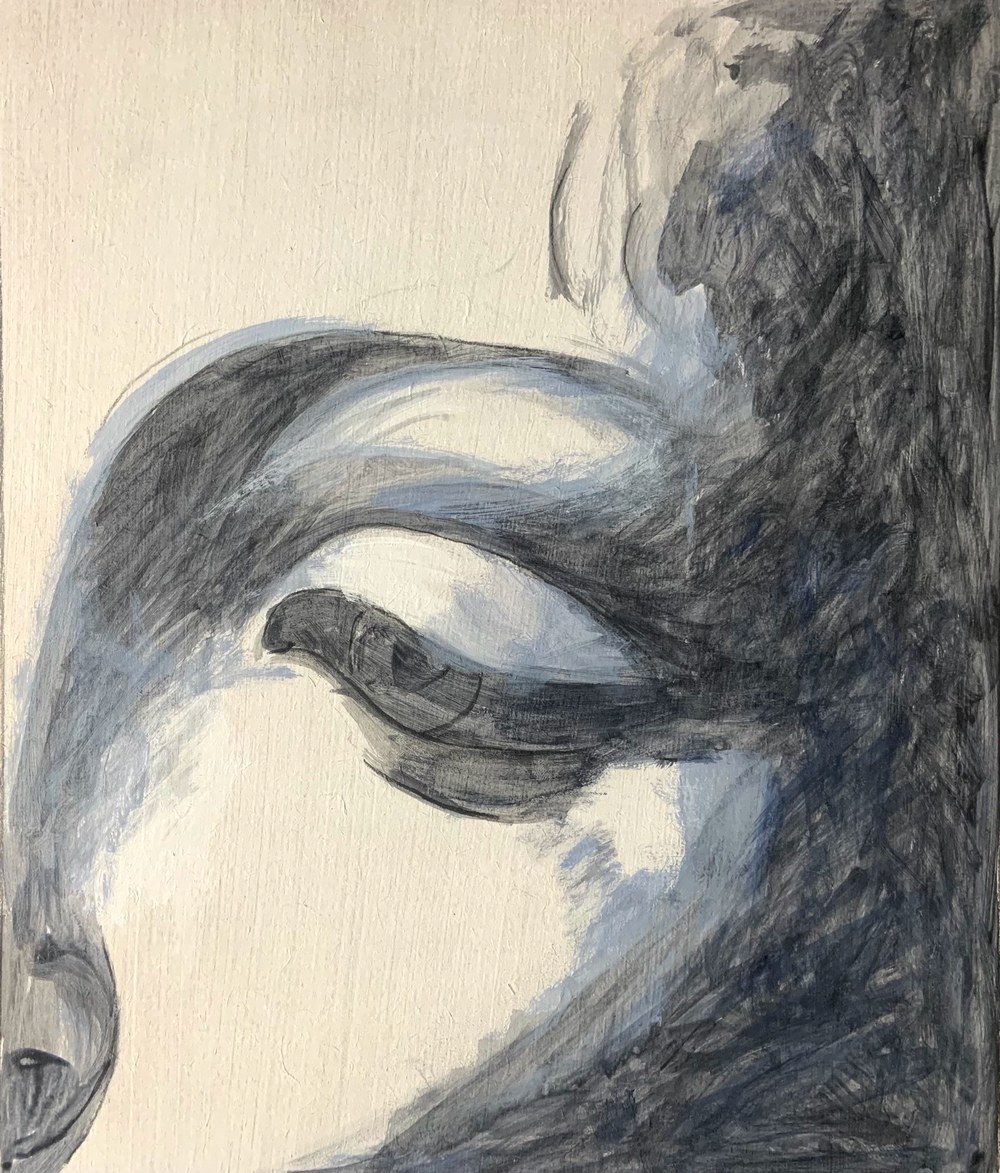
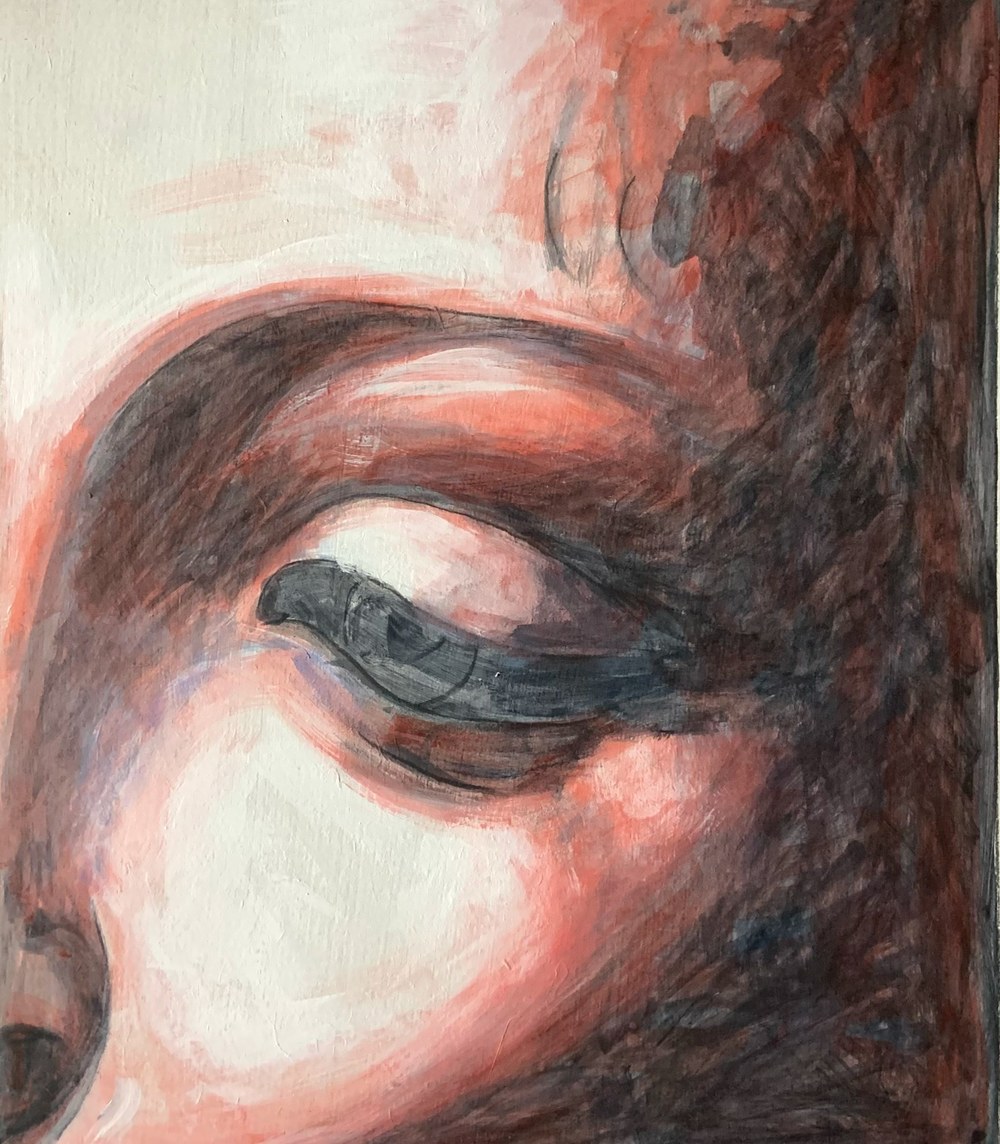
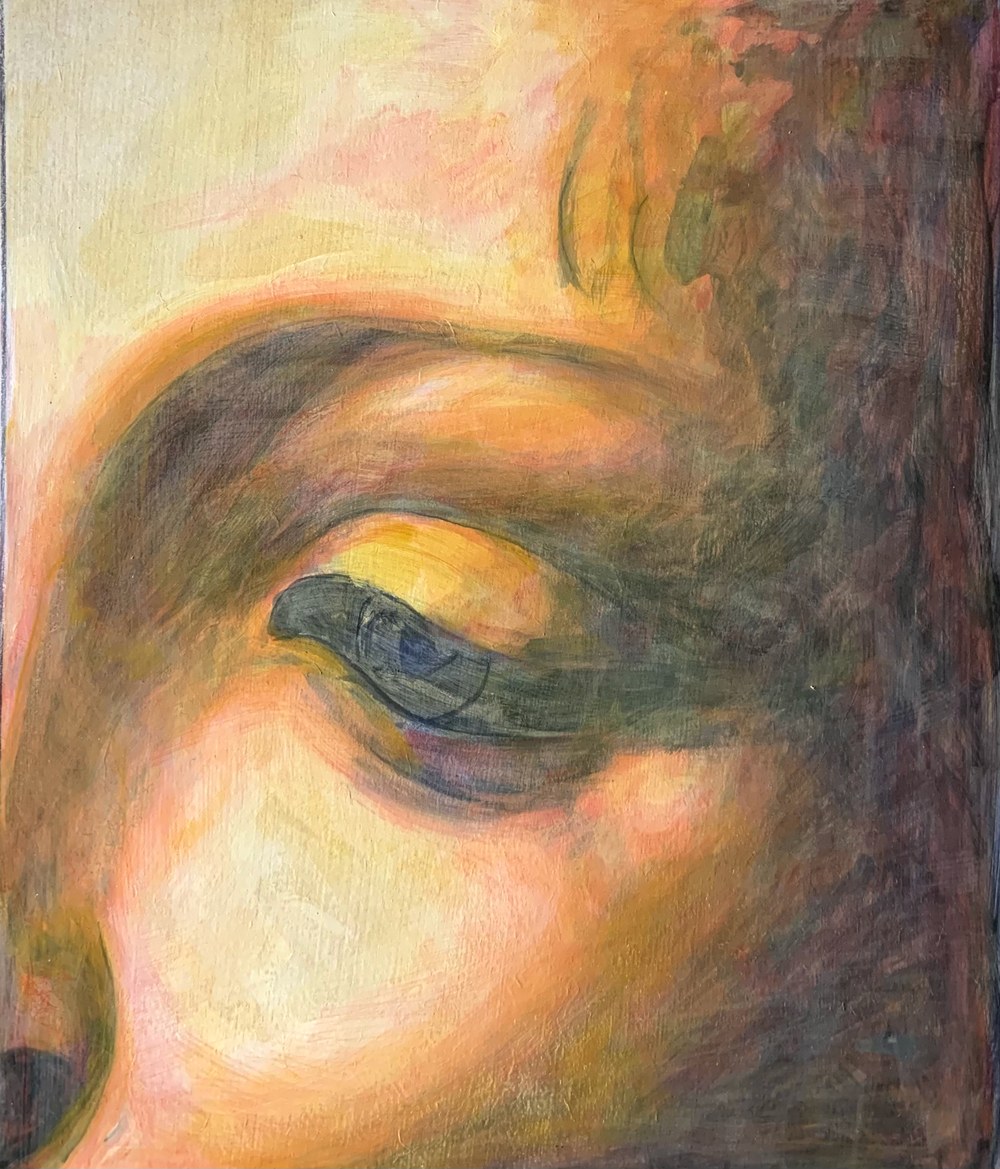
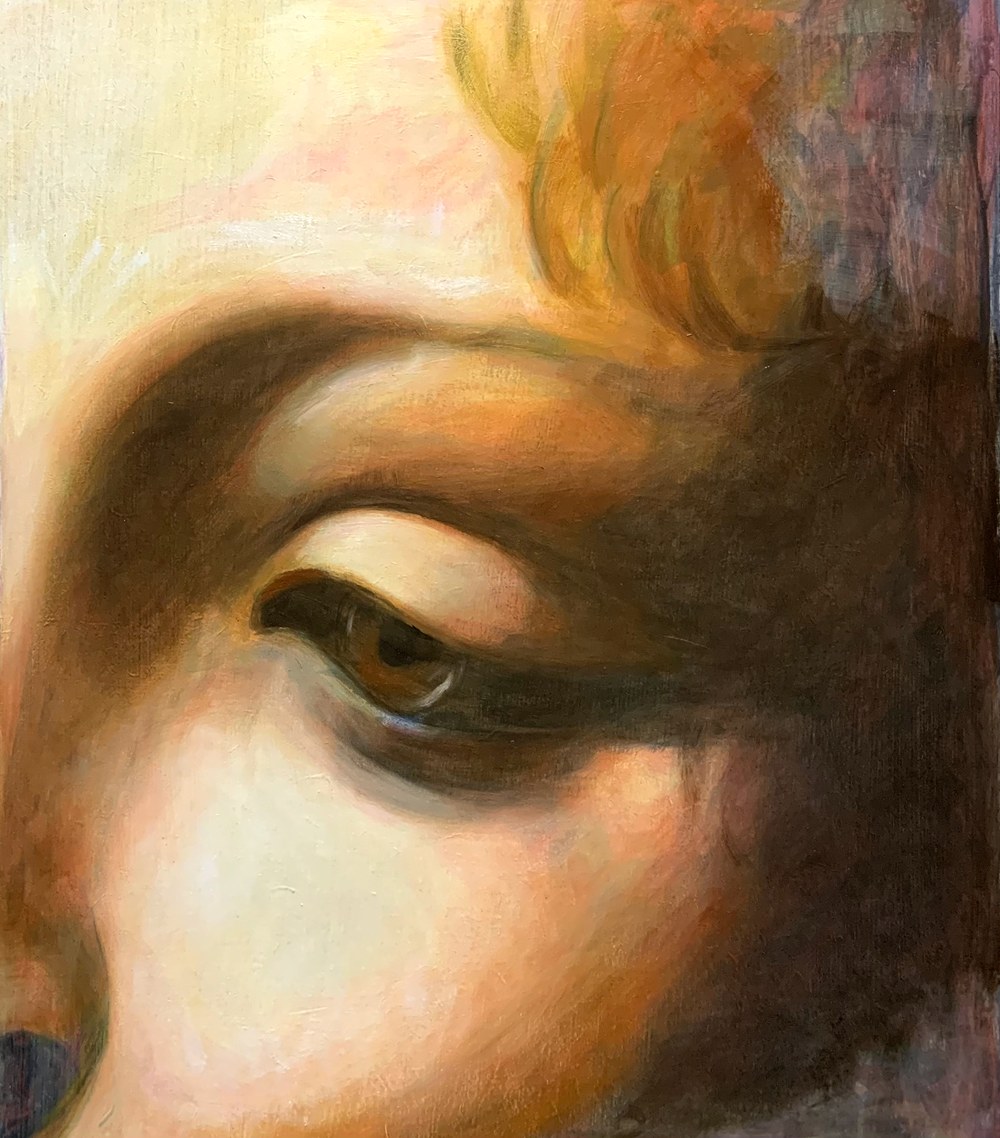
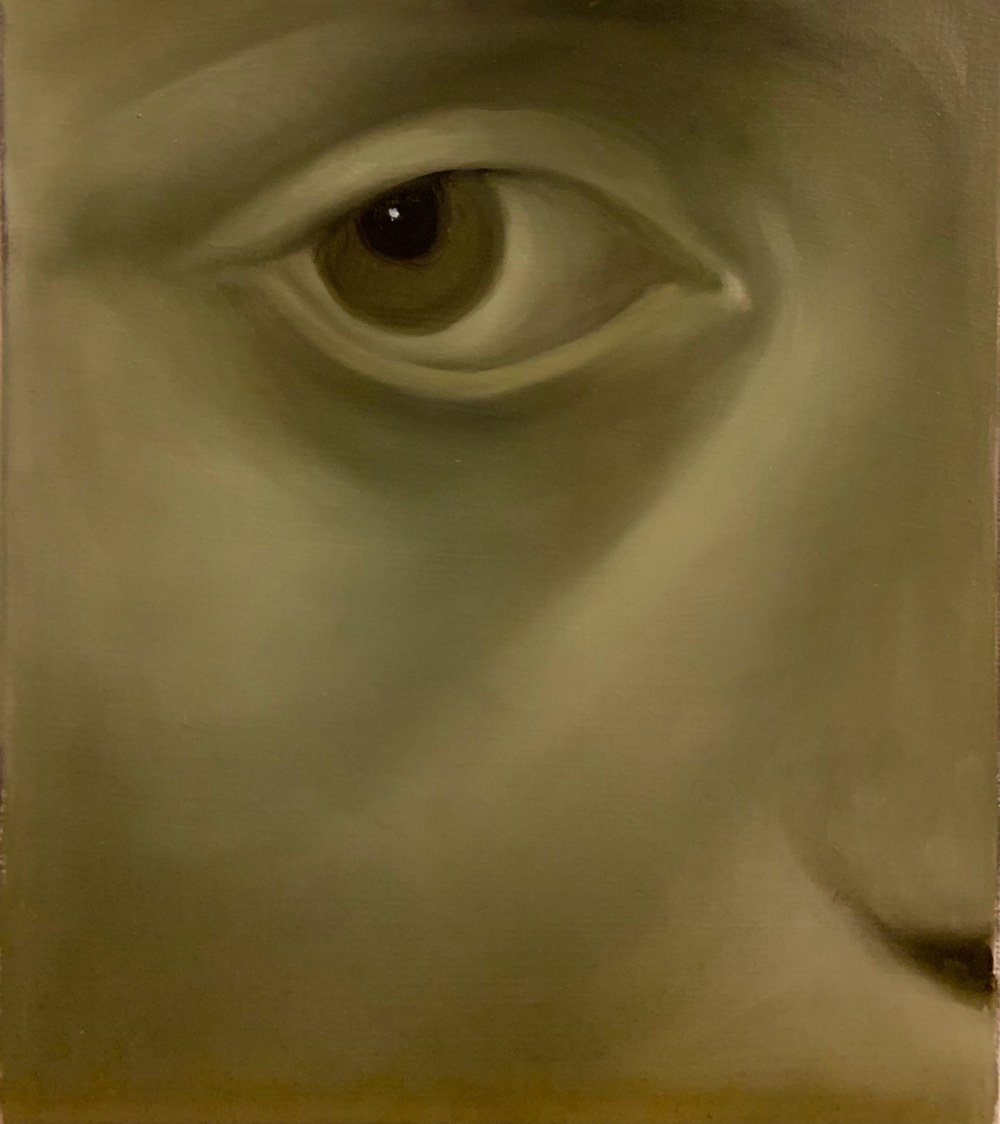
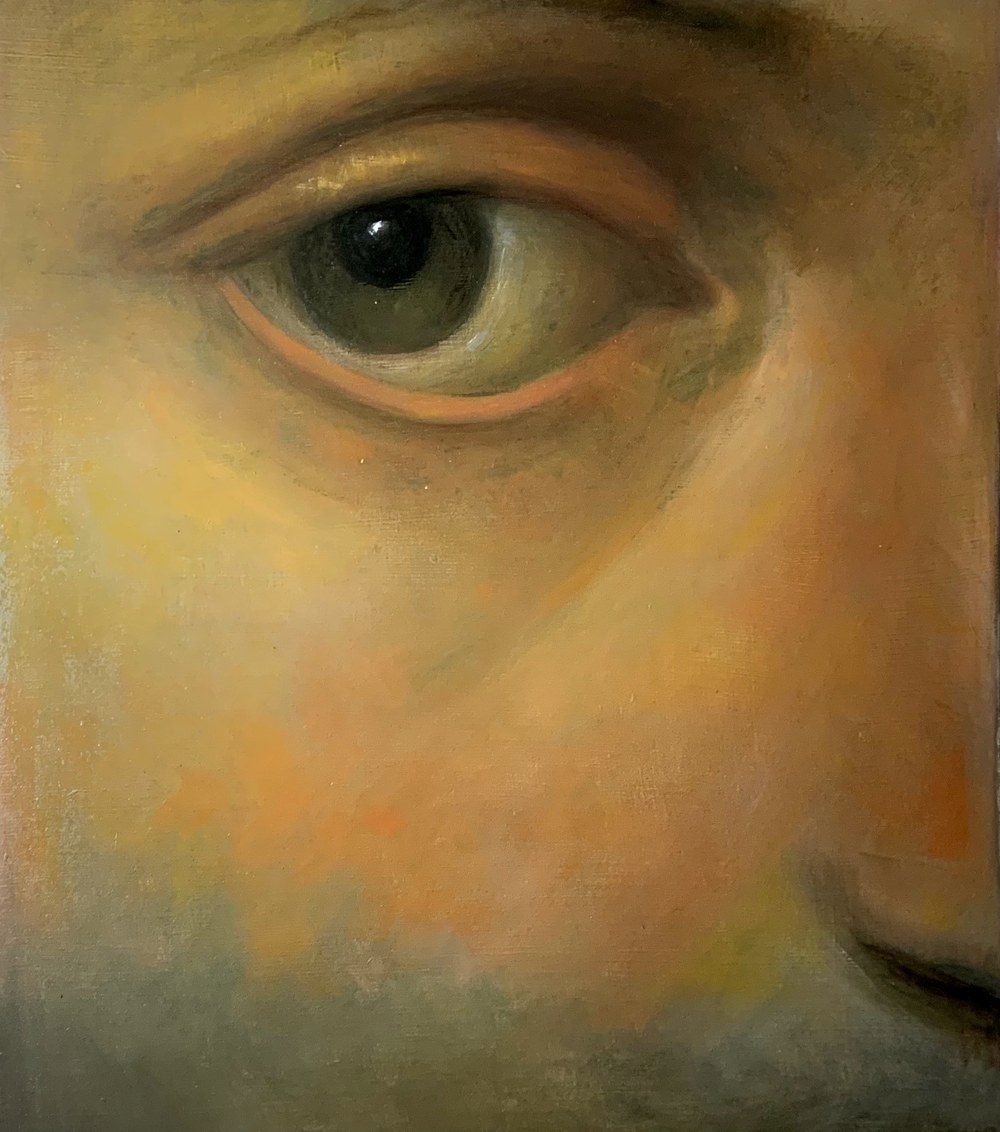
Eye study — grisaille to colour
Eye study — step 1, grisaille
Student work
Eye study — step 2
Student work
Eye study — step 3
Student work
Eye study — step 4
Student work
Eye study — step 5
Student work
Eye study — original
Eye study — grisaille to colour, second work
Eye study — step 1, grisaille
Student work
Eye study — step 2
Student work
Eye study — step 3
Student work
Eye study — step 4
Student work
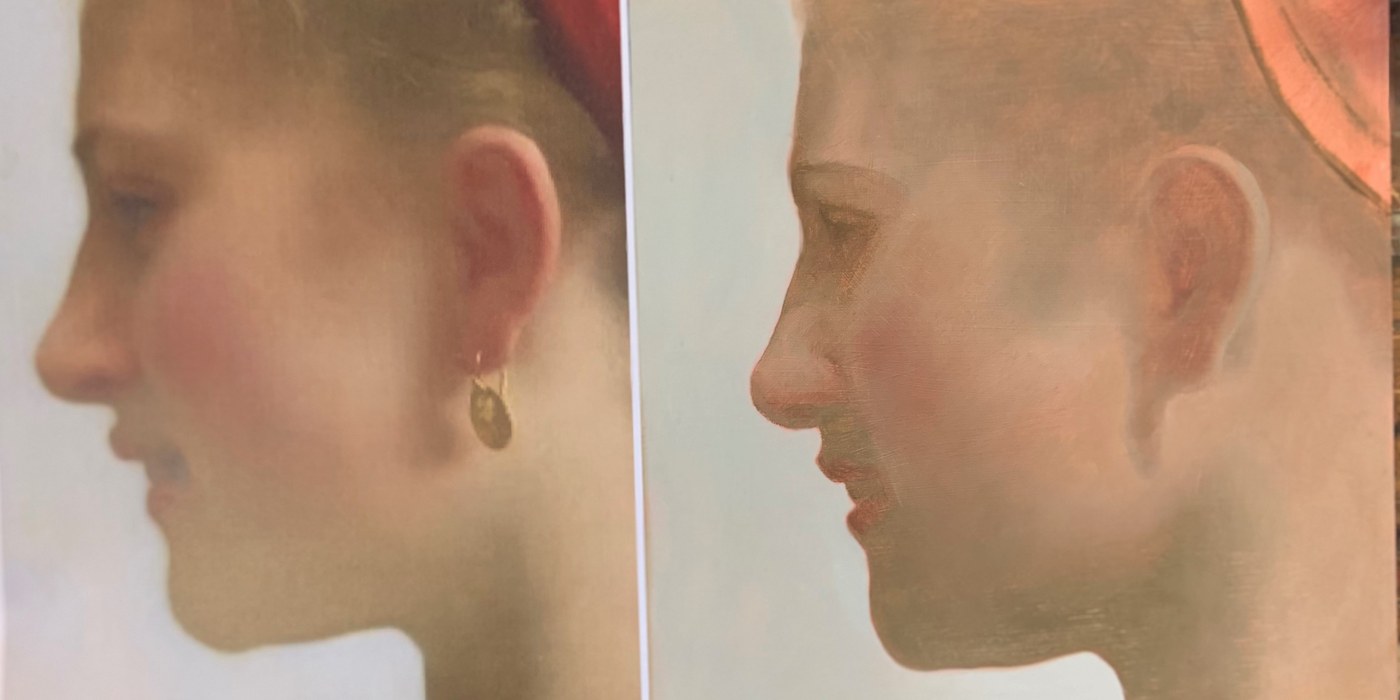
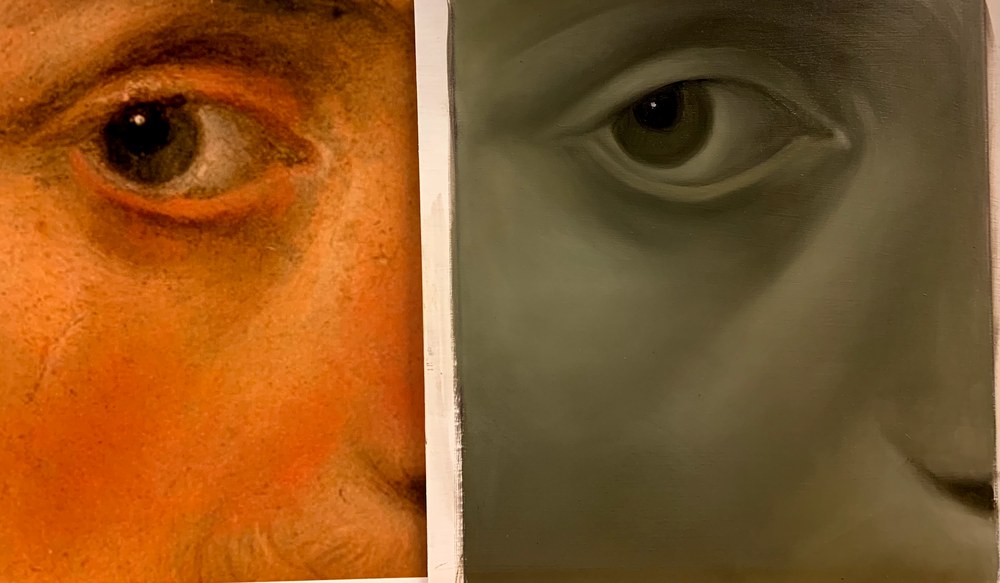
Eye study — original & copy, side by side
Drawing & anatomical studies
The foundation of all classical painting
Drawing from skulls, casts, sculpture, and life — the essential discipline that underpins everything taught in the program.
Bones · pencil study
Student copy
Still life · pencil · final phase
Student copy
Bouguereau · pencil study
Student copy
Interested in studying with us? Portfolio required.